Moving to the cloud promises paying only for what you use. In reality, many organisations pay for a great deal they do not use: idle servers, oversized databases, forgotten test environments and storage that is never cleaned up.
Make spend visible
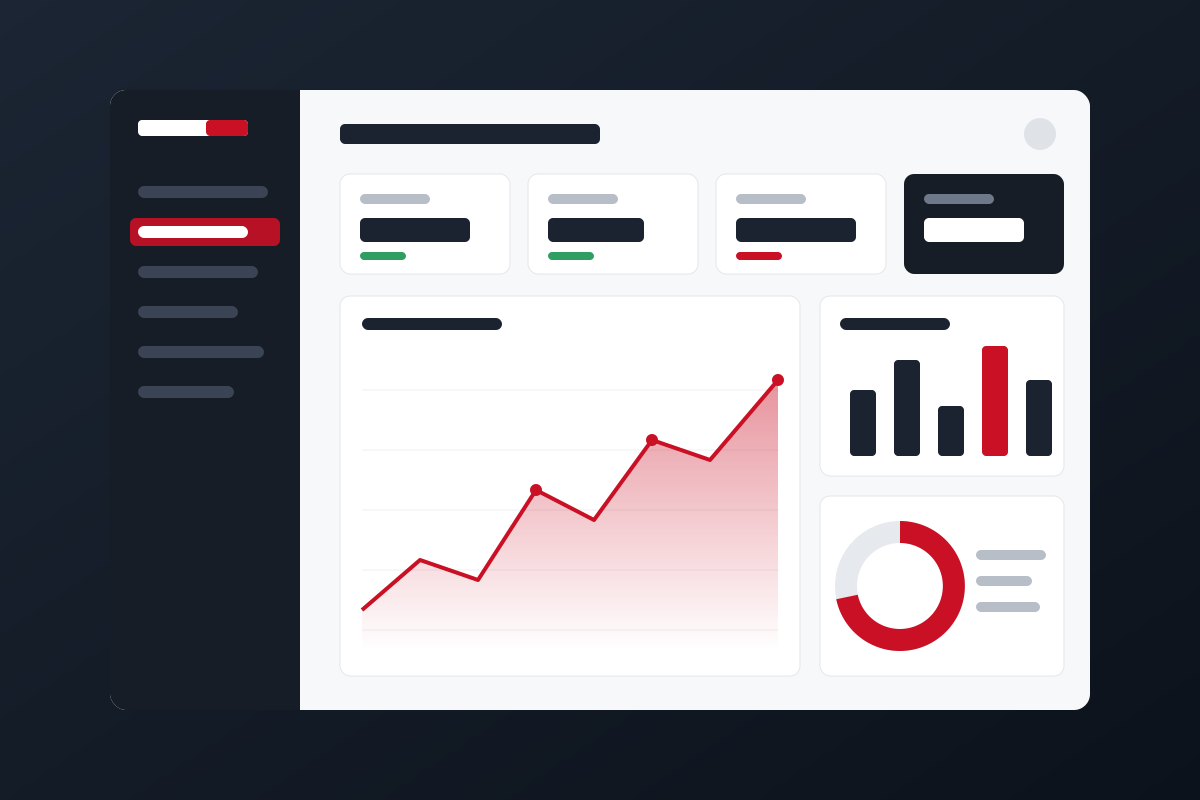
You cannot optimise what you cannot see. Tag every resource by application, environment and owner, then review cost dashboards monthly. Budgets and alerts catch surprises before they reach the invoice.
Quick wins
- Right-size compute and databases based on real utilisation, not launch-day guesses.
- Schedule development and test environments to shut down outside working hours.
- Move infrequently accessed data to cheaper storage tiers automatically.
- Commit to reserved capacity or savings plans for steady, predictable workloads.
- Delete unattached volumes, old snapshots and unused IP addresses.
Architect for efficiency
Longer-term savings come from design. Auto-scaling matches capacity to demand, containers pack workloads more densely, and managed or serverless services remove the cost of running infrastructure you do not need to manage yourself.
The cheapest resource is the one that is switched off when nobody needs it.
Keep reliability and security intact
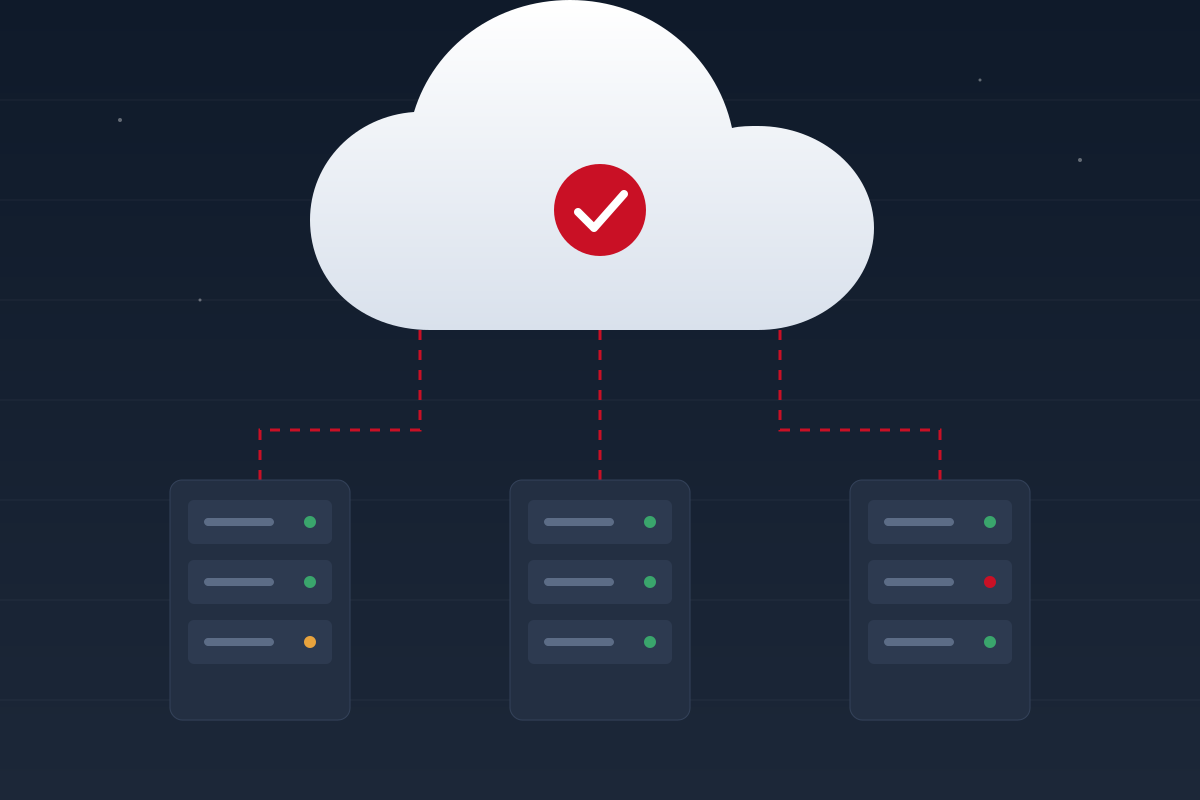
Cost optimisation should never remove backups, monitoring or redundancy that protect the business. Treat infrastructure as code so changes are reviewed and repeatable, and pair every saving with a check that performance and recovery objectives are still met.