Basements, rural sites, warehouses and moving vehicles all have one thing in common: unreliable connectivity. An app that freezes or loses data when the signal drops quickly loses the trust of the people who depend on it.
What offline-first actually means
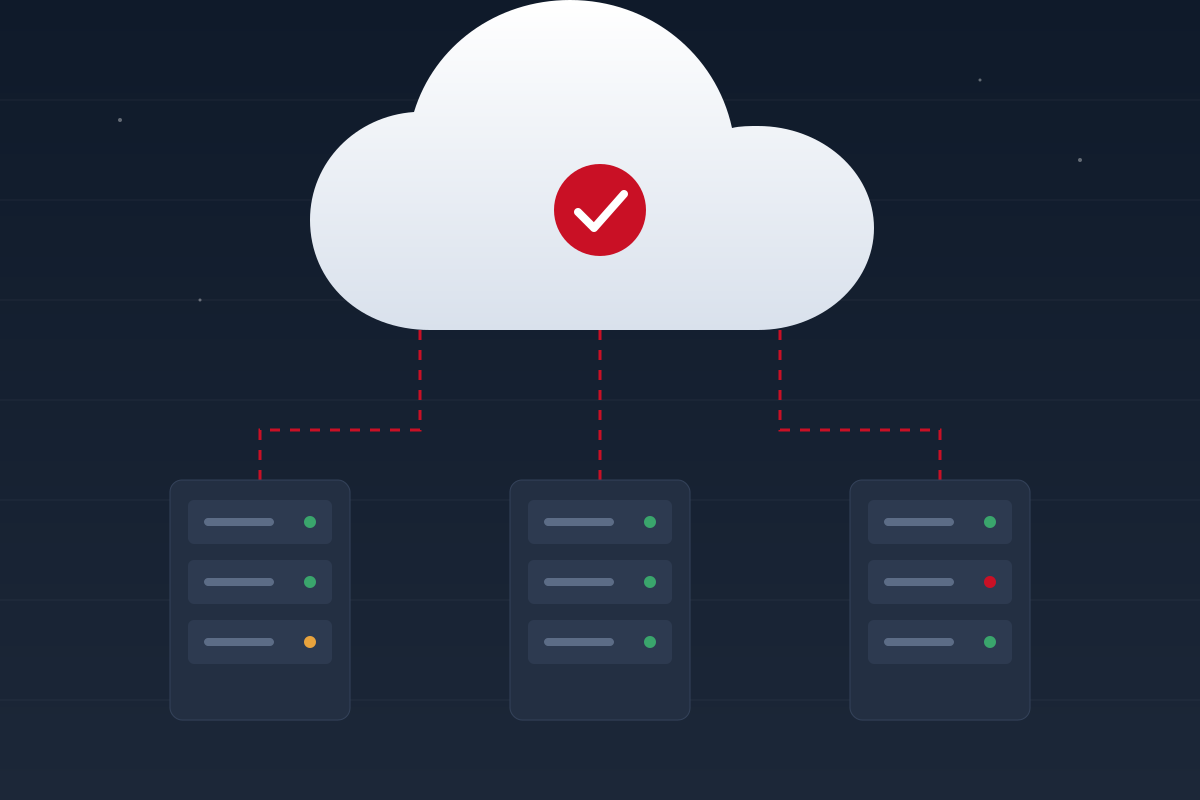
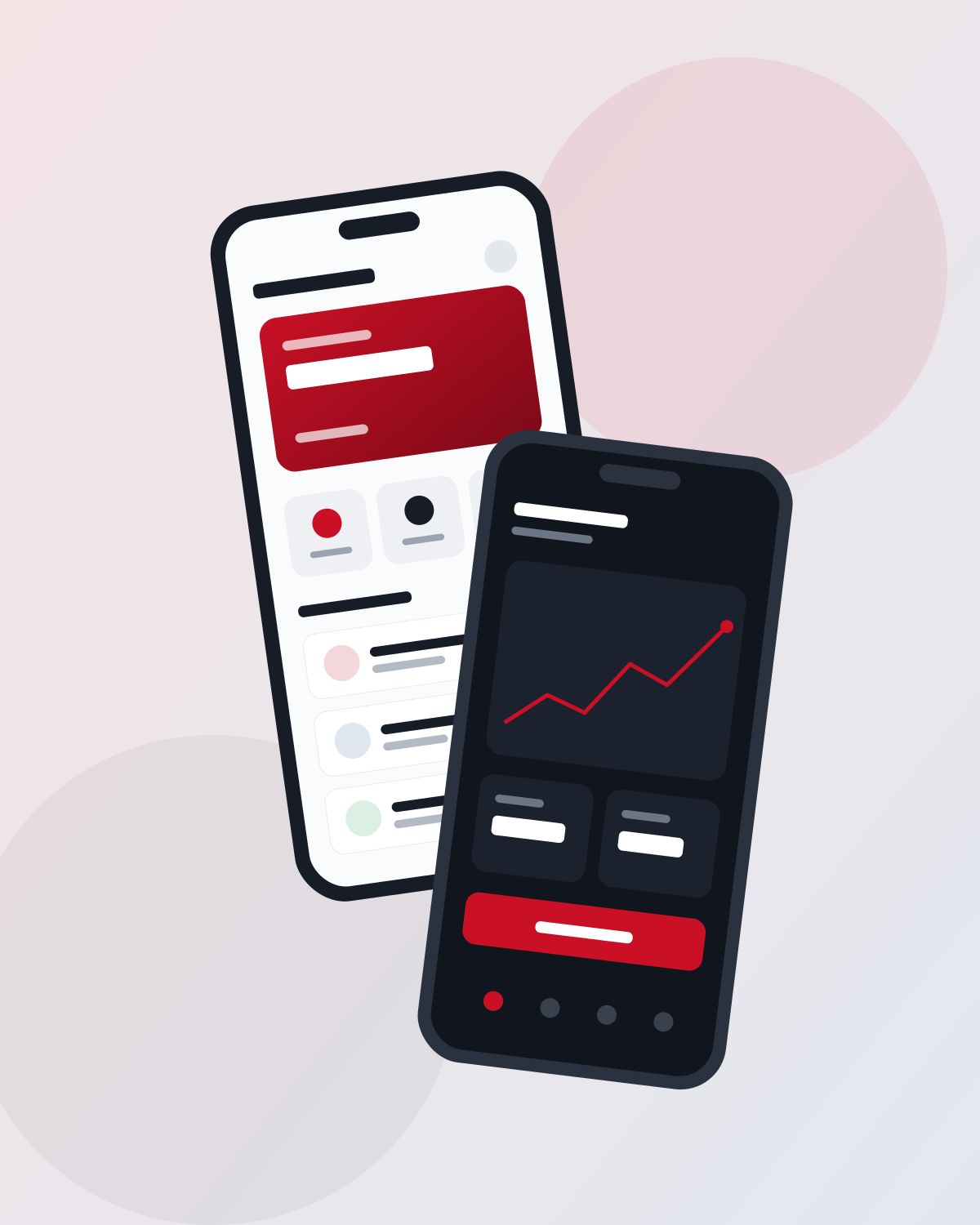
Offline-first apps treat the device as the primary place where work happens. Data is stored locally, users can complete every essential task without a connection, and changes sync to the server in the background whenever a network is available.
The business benefits
- No lost jobs, forms or signatures when coverage drops.
- Faster screens, because data is read from the device rather than the network.
- Accurate timestamps and locations captured at the moment work is done.
- Happier teams who no longer need paper back-ups or end-of-day re-entry.
Designing for sync
The hard part is not storing data offline — it is reconciling it later. Good sync design decides in advance what happens when two people edit the same record, how large files such as photos are queued, and how users are told what is pending, synced or in conflict.
A field app should never make the user wonder whether their work was saved.
Connecting to the back office
An offline app delivers most value when it is connected to your ERP or operations platform. Job lists, stock, customer details and pricing flow down to the device; completed work, parts used and proofs of delivery flow back up — ready for invoicing without anyone retyping a thing.