Every growing organisation eventually faces the same choice: adopt a packaged product and adapt to it, or build something tailored to the way it works. Both paths can succeed — and both can fail expensively when chosen for the wrong reasons.
Start with what makes you different
Processes that are standard across your industry — payroll, general accounting, email — rarely justify custom development. Processes that set you apart from competitors, such as a unique pricing model, a specialised service workflow or a customer experience you are known for, are where custom software earns its keep.
Five questions to ask
- Is this process a source of competitive advantage, or simply a cost of doing business?
- How much would we need to change our way of working to fit an existing product?
- What will licences cost over five years as users and features grow?
- Do we need to integrate with systems that packaged tools do not support well?
- Who will own the roadmap — us, or a vendor with thousands of other customers?
The hybrid approach
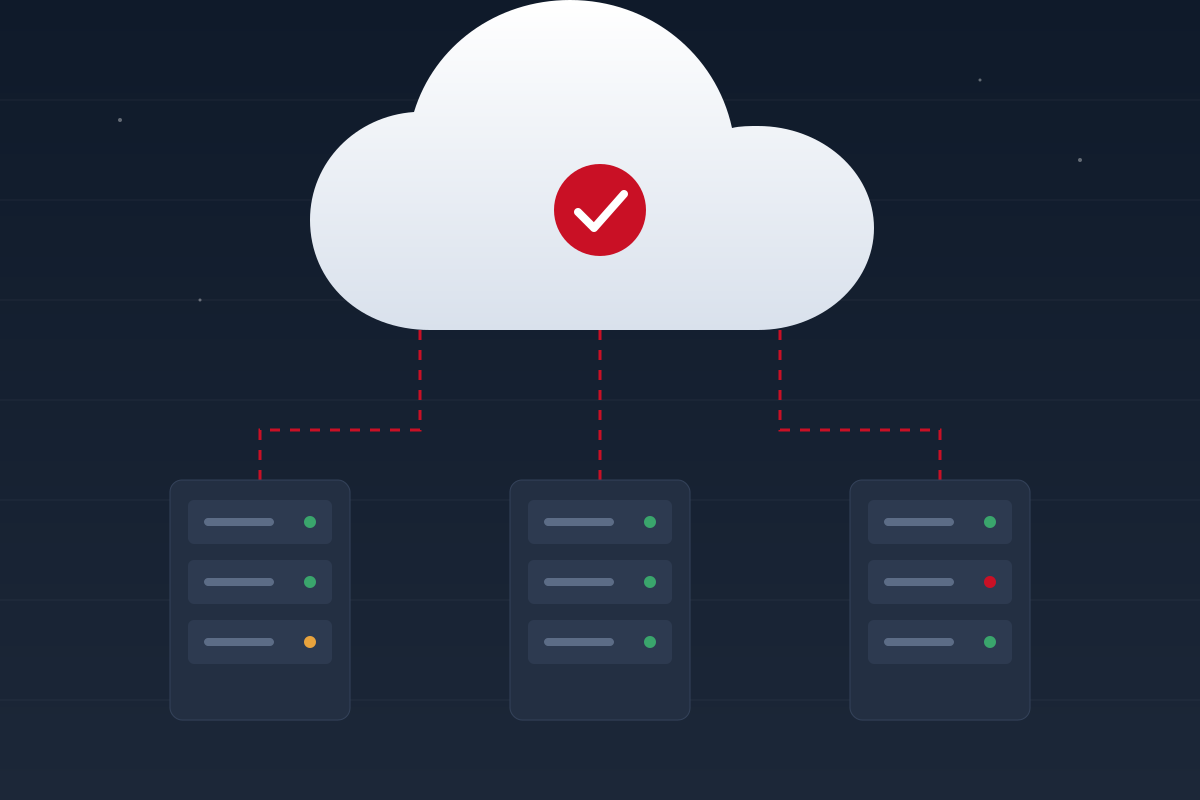
In practice, the strongest architectures combine both. A proven core — an ERP, CRM or e-commerce platform — handles the standard work, while custom applications and integrations cover the parts that are genuinely yours. APIs connect everything so data flows without re-keying.
Buy for parity, build for advantage, and integrate everything in between.
Reducing the risk of building
Custom development no longer has to mean a long, uncertain project. A focused discovery phase, a clickable prototype and an MVP released in weeks let you validate value early. Agile sprints with regular demos keep the build aligned with real needs, and full source-code ownership means you are never locked in.
Whichever way you lean, the decision should be driven by business outcomes rather than technology preferences. A short assessment of your processes, systems and goals usually makes the right answer clear.