Spreadsheets are where most businesses start, and for good reason: they are flexible, familiar and free. But the same flexibility that helps a ten-person team becomes a liability at fifty. Files multiply, versions drift and nobody is quite sure which number is the real one.
1. The same data is typed in more than once
If a sales order is entered in one sheet, re-keyed into an invoice template and then copied again into a stock tracker, you are paying three times for the same information — and tripling the chance of a mistake. An ERP captures the transaction once and lets every department use it.
2. Month-end close takes days, not hours
When finance has to chase departments for figures, reconcile conflicting totals and rebuild reports by hand, closing the books becomes a project in itself. With integrated ledgers, postings happen automatically as work is done, so the close is a review rather than a rescue.
3. Nobody trusts the stock numbers
Selling items you do not have — or reordering items you already hold — is a classic sign of disconnected inventory. Real-time stock across warehouses, with batches, serials and reorder rules, turns inventory from a guess into a controlled asset.
4. Reports arrive too late to act on
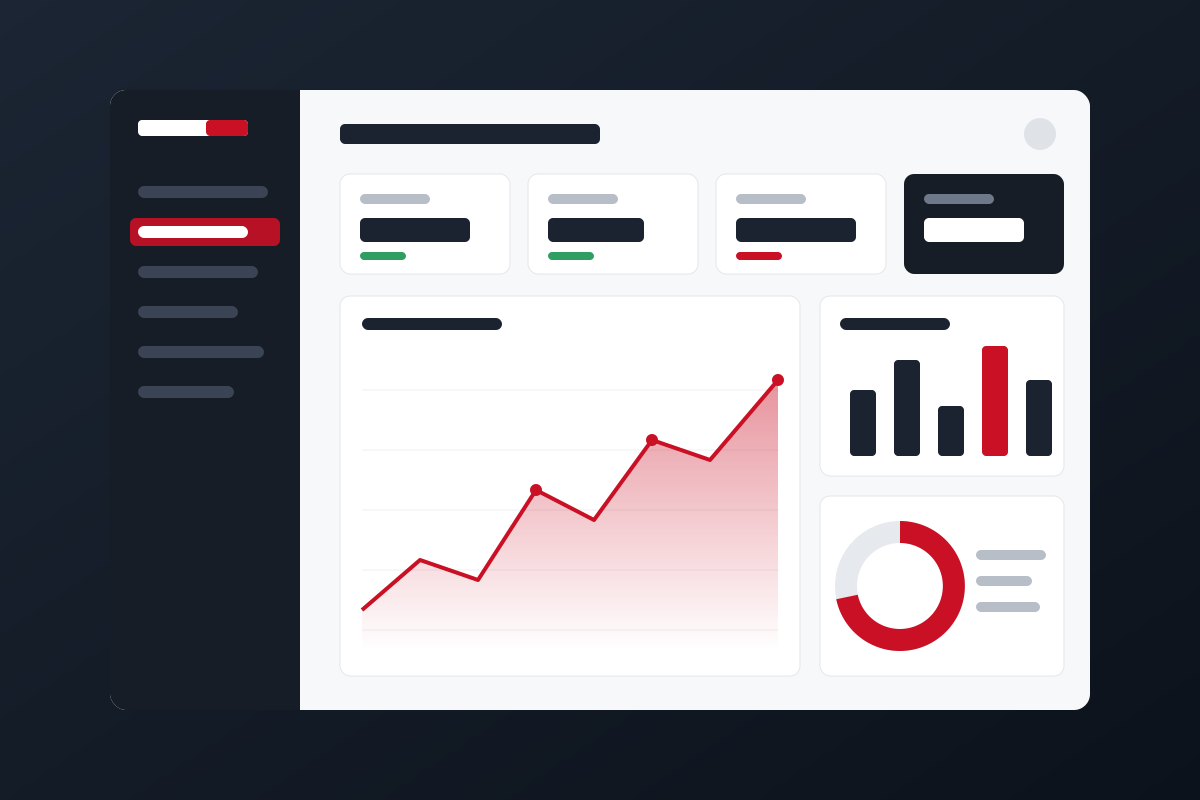
If leadership sees last month's performance three weeks into this month, decisions are always a step behind. Role-based dashboards give managers the numbers that matter to them, updated as transactions happen.
5. Growth means hiring people to move data
When every new branch, product line or customer segment requires another person to maintain spreadsheets, your systems are limiting your growth. The right platform scales with users, companies and locations without multiplying admin work.
The goal of an ERP is not more software. It is fewer hand-offs, fewer surprises and one version of the truth.
Where to start
- List the processes that cause the most rework today.
- Identify the reports leadership needs but cannot get quickly.
- Start with the core modules — usually finance, inventory and sales — and add more in phases.
- Plan data migration early; clean master data is the foundation of a smooth go-live.
If several of these signs sound familiar, a short discovery workshop is usually enough to map your processes and outline a phased, low-risk path to a single system.